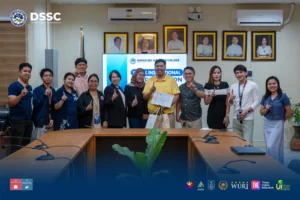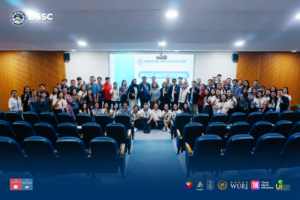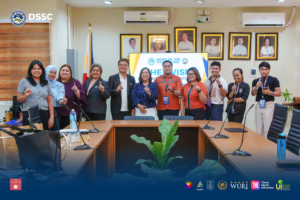
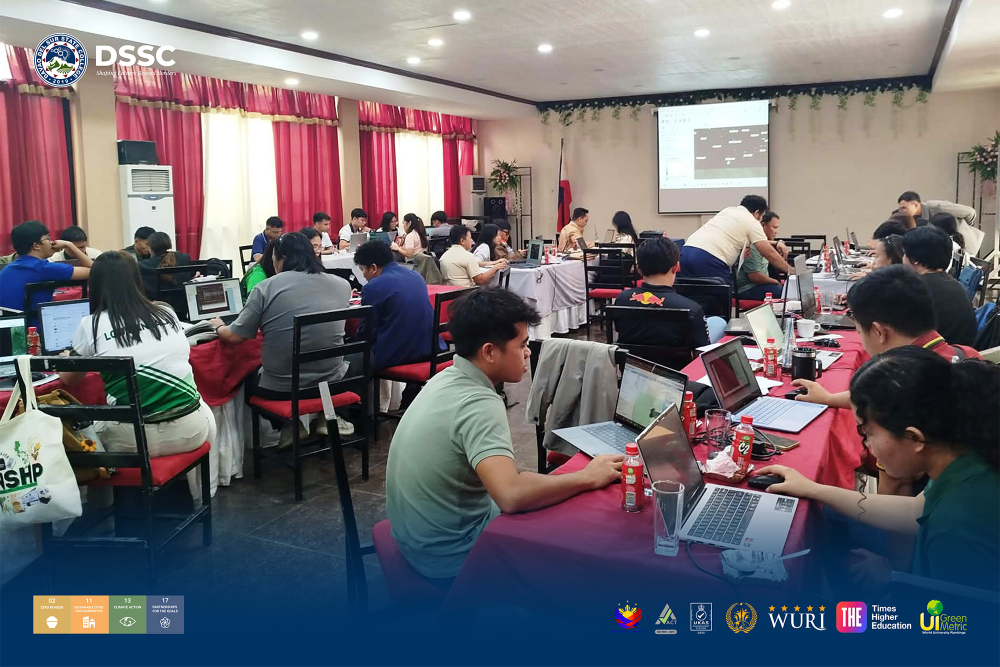
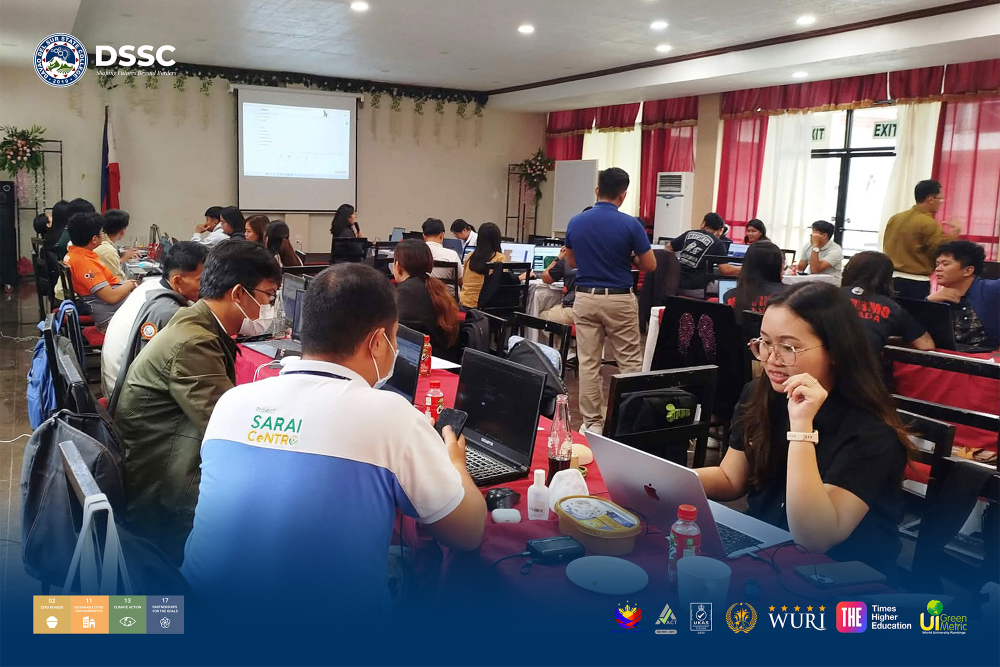
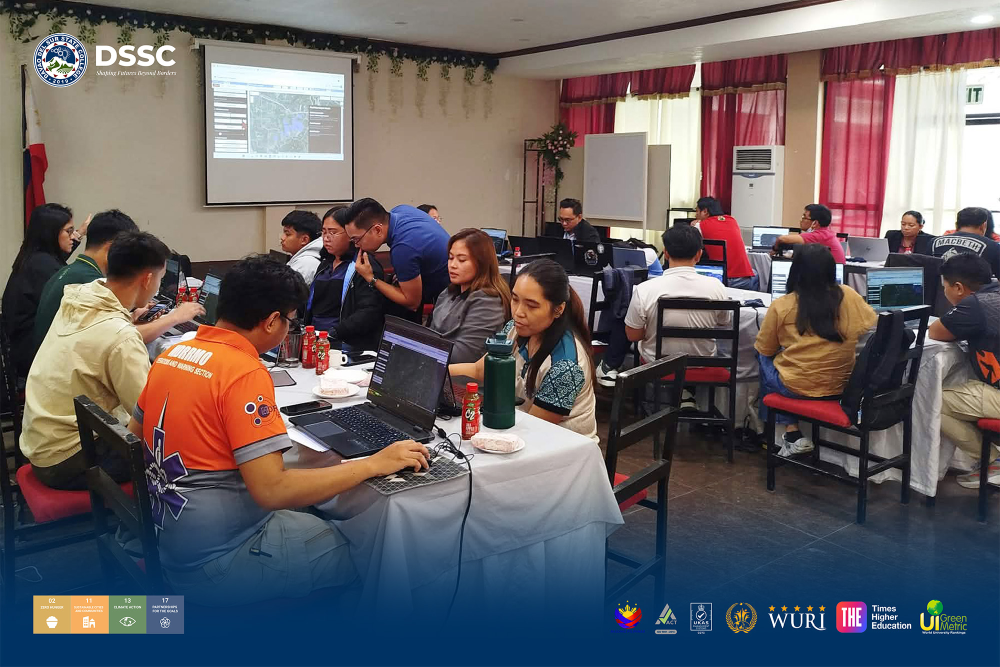
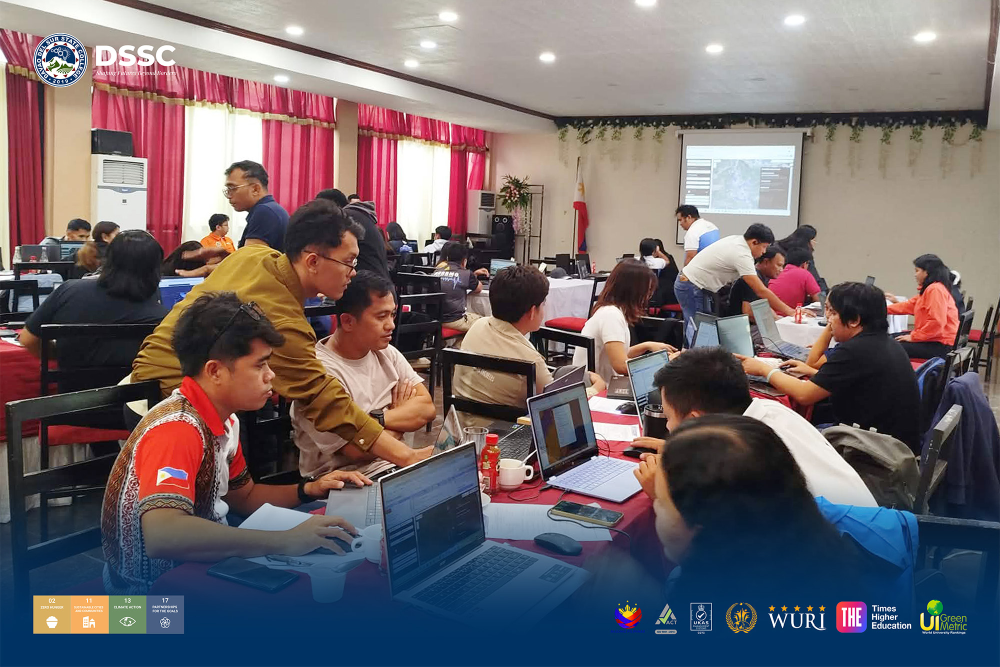
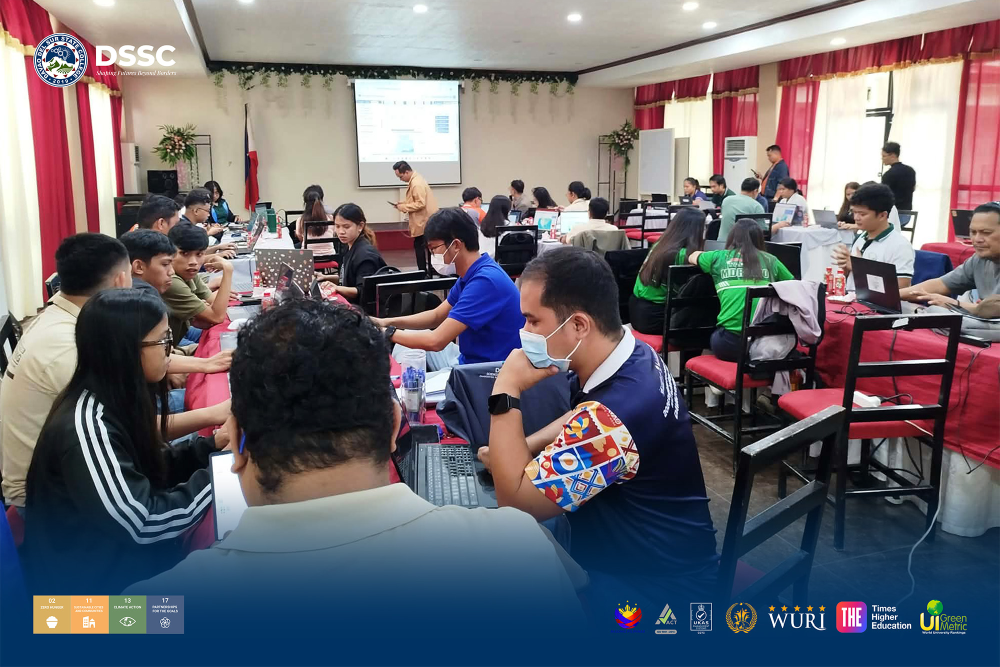
Davao del Sur State College (DSSC), through its Agricultural and Biosystems Engineering Department, in collaboration with the Department of Science and Technology – Smarter Approaches to Reinvigorate Agriculture as an Industry in the Philippines (DOST-SARAI), held a two-day Geographic Information Systems (GIS) and Remote Sensing Training for El Niño preparedness on November 23-24, 2026, at Arnaldo’s Hotel, Digos City.
The event was participated by 60 personnel, including faculty members of the department and personnel from the Local Government Unit (LGU), particularly the agriculture, disaster risk reduction and management, planning and development, and engineering offices.
Earl Angelo Tahad, Project Technical Assistant III, and Drelym S. Perez, Project Technical Specialist III, both from DOST Region XI, served as resource speakers for the first day of training. The discussion covered the Basic GIS Functions, Installation and Interface, Vector and Raster Files, Digitizing, Creating an Account in Google Earth Engine, Basic Theories of Remote Sensing, and Introduction to Agricultural Monitoring.
Further, Tahad and Perez continued the presentation in the afternoon and discussed the topics on Basics of Flood Mapping and Introduction to Drought Mapping, followed by Supervised Land Use and Land Cover Classification and Rainfall-Induced Landslide Detection and Mapping.
Meanwhile, on the second day of training, Engr. Erwin Jr. D. Rubio, faculty member of DSSC, served as the resource speaker. He tackled the Supervised Land Use and Land Cover Classification followed by his discussion on Rainfall-Induced Landslide Detection and Mapping.
The participants engaged in hands-on exercises using the Google Earth Engine, where they analyzed satellite imagery for landslide and land cover change detection.
Through the hands-on exercises, it helped participants connect the tools to their offices’ work, such as monitoring agricultural areas, identifying communities that may require closer monitoring, and deciding where to prioritize field assessments.
Through this training, it supports the United Nations Sustainable Development Goals (SDGs), particularly SDG 2: Zero Hunger, SDG 11: Sustainable Cities and Communities, SDG 13: Climate Action, and SDG 17: Partnerships for the Goals.
#OneDSSC #DSSC #DavaodelSurStateCollege #ShapingFuturesBeyondBorders